

Injured in a shop or public place: how occupier liability actually works
Being hurt on someone's premises does not automatically make them liable — and being told 'you should have looked where you were going' does not automatically end the claim. What the law weighs, and which evidence decides it.
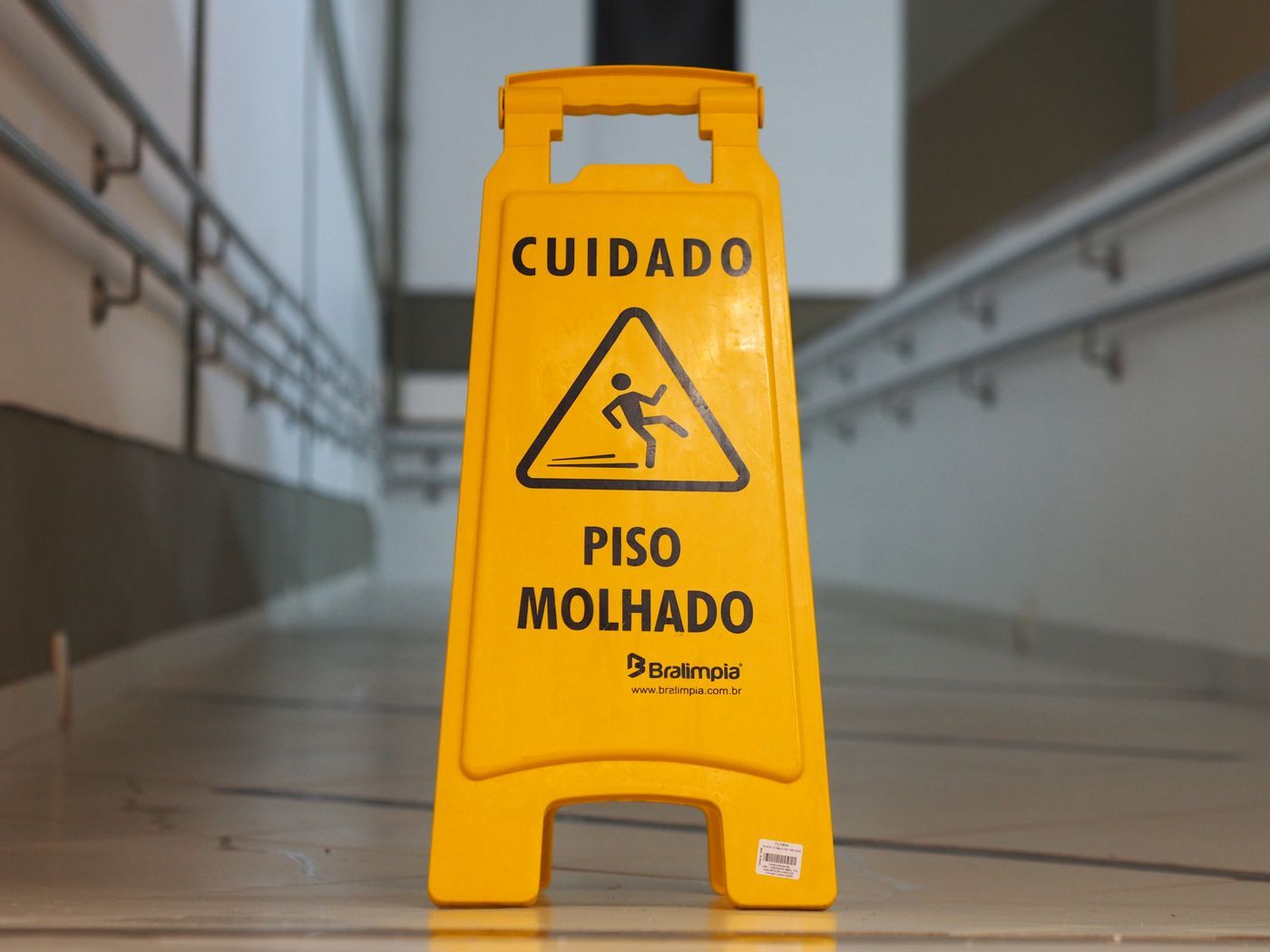
Shops, malls, venues and other places open to the public owe the people who enter them a duty: to take reasonable steps to keep the premises safe. Not perfect — reasonable. That single word does most of the work in these claims, in both directions.
What the law weighs
- What caused the hazard, and how long it existed
- Whether the occupier knew about it, or reasonably should have
- What systems existed — inspections, cleaning cycles, warnings, barriers — and whether they were actually followed
- How the injury happened, and what the injured person could reasonably see and avoid
An injury on premises does not automatically establish liability; the occupier is not an insurer of everyone who walks in. Equally, the standard defences — 'the floor is cleaned regularly', 'there was a sign', 'you should have watched where you were going' — are arguments to be tested against evidence, not conclusions.
The evidence disappears fastest in exactly these cases
Spills get mopped. Broken paving gets repaired. CCTV gets overwritten — often within days. Incident books go quiet. The practical consequence: the strength of a public-place injury claim is often decided in the first week, by whether the evidence of the conditions was captured before the scene was corrected.
- Report the incident to management immediately and ask that it be recorded.
- Photograph the exact spot and the hazard before it changes.
- Ask, in writing if possible, that CCTV footage be preserved.
- Keep witness details, your shoes and clothing, and every medical record.
Municipal property is different
Claims against municipalities and other organs of state involve statutory notice requirements with short time limits. If the pavement, park or facility is public infrastructure, the matter needs to be assessed quickly — waiting can close the door regardless of how strong the merits are.
General information only — whether an occupier is liable depends entirely on the evidence of the specific incident and premises.
About this article. General legal information for South Africa, current at the last review date shown above. It is not legal advice, it may not reflect changes in the law since review, and reading it creates no attorney-client relationship. For advice on your own situation, see Public-place injuries or contact the firm.